The psychological highs and lows of gambling addiction
The Thrill of Winning
For many individuals, gambling begins as an exciting escape from everyday life. The rush of winning, even a small amount, can trigger the brain’s reward system, releasing dopamine and creating a euphoric feeling. This chemical reaction not only boosts mood but also reinforces the behavior, encouraging repeat participation. To easily access your account, many users find that the mega medusa login is incredibly helpful. Over time, the anticipation of winning can become an obsession, leading to increased gambling frequency and higher stakes.
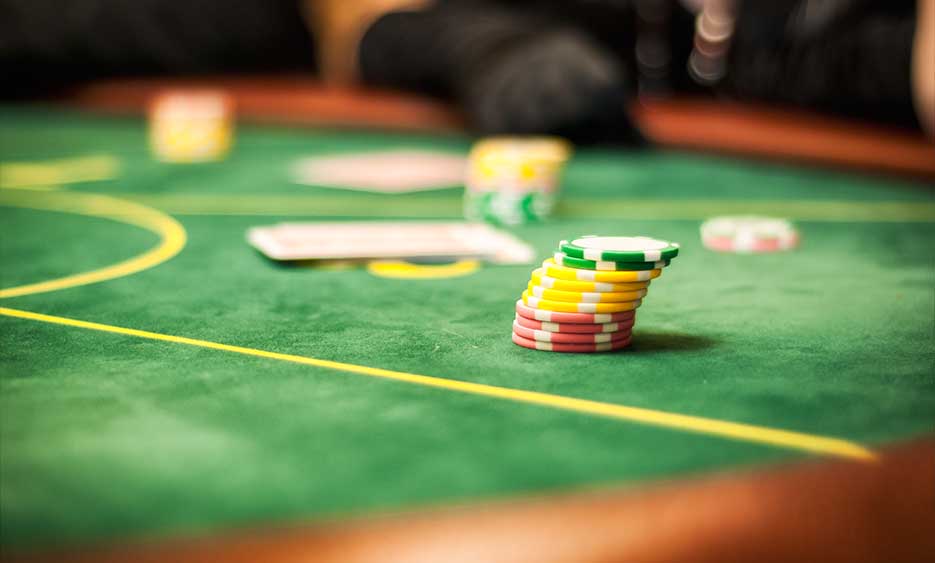
This thrill, however, can be deceptive. The immediate gratification from a win often overshadows the longer-term consequences of gambling addiction. Many individuals find themselves chasing losses, believing that another bet might yield a life-changing jackpot. This cycle can create a false sense of security, where the highs are intoxicating but the lows can be devastating.
The Emotional Rollercoaster
The emotional landscape of gambling addiction is tumultuous. Victories can bring elation, while losses often lead to despair and guilt. This emotional rollercoaster can significantly impact mental health, leading to anxiety, depression, and even suicidal thoughts. Many gamblers may feel isolated and ashamed, unable to share their struggles with others due to the stigma associated with addiction.
Moreover, the uncertainty of gambling outcomes contributes to this emotional instability. The unpredictable nature of games and bets creates a sense of volatility in the gambler’s life. Those who experience extreme highs when winning may also face equally profound lows, making it difficult to maintain a stable emotional state.
The Impact on Relationships
Gambling addiction can strain relationships with family, friends, and partners. As gambling behaviors escalate, individuals may prioritize betting over their loved ones, leading to feelings of betrayal and abandonment. The secrecy often involved in gambling can create rifts and mistrust, causing significant emotional pain for both the gambler and those around them.
Moreover, financial strains due to gambling can further exacerbate relationship issues. The loss of money can result in debt, creating a heavy burden that impacts the entire household. This cycle can perpetuate feelings of anger and resentment among family members, making recovery even more challenging.
Seeking Help and Recovery
Recognizing the need for help is a crucial step in overcoming gambling addiction. Many individuals may initially deny their problem, but acknowledging the emotional and financial toll is vital for recovery. Therapy and support groups can provide invaluable resources for those struggling with addiction, offering a safe space to share experiences and learn from others.
Additionally, developing healthier coping mechanisms is essential in the recovery process. Many find that replacing gambling with productive activities, such as hobbies or exercise, can significantly improve their mental health. Support from loved ones can also play a crucial role in rebuilding trust and fostering a supportive environment for recovery.
Conclusion and Resources
For those affected by gambling addiction, finding a safe and supportive gaming environment is paramount. Websites like Mega Medusa Casino prioritize user experience, ensuring that players can enjoy their time without compromising their mental health. Such platforms often provide resources and support for responsible gaming, helping users set limits and recognize signs of problematic behavior.
Ultimately, the journey through the psychological highs and lows of gambling addiction is complex. It requires understanding, support, and often professional help to achieve lasting recovery. By fostering awareness and encouraging open discussions about addiction, we can create a healthier gaming culture for everyone.
